
Quanfluence has developed a commercial quantum computer based on photonic technology that operates at room temperature, offering an alternative to cryogenic quantum systems and signalling India’s growing presence in next-generation quantum computing research and innovation.
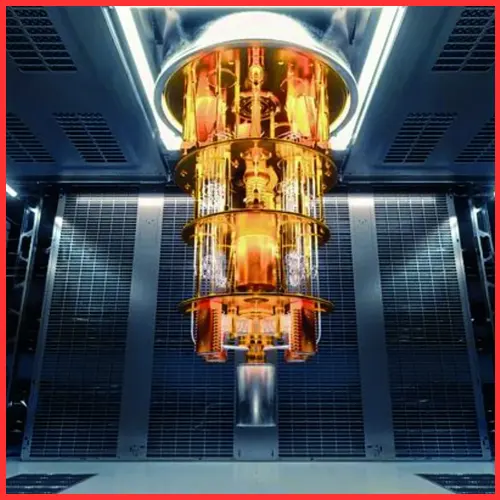
A Bengaluru-based deep-tech startup, Quanfluence, has announced the development of a commercial quantum computer that operates at room temperature, marking a significant step in India's efforts to advance quantum computing technologies. Unlike conventional quantum computers that require ultra-cold environments to function, the company's system relies on photonic technology, eliminating the need for complex cryogenic cooling.
Most of the world's quantum computing systems operate using superconducting circuits housed inside specialised refrigerators cooled to temperatures close to absolute zero. Quanfluence, however, has adopted a different technological approach by using light as the medium for computation, allowing the system to function under normal operating conditions.
The development comes at a time when researchers worldwide are exploring multiple hardware architectures to build scalable and commercially viable quantum computers. Photonic quantum computing is widely regarded as one of the promising alternatives, although the technology is still evolving.
Founders bring semiconductor expertise to quantum computing
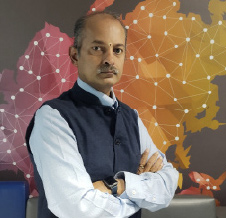
Quanfluence was founded by Sujoy Chakravarty, Ravi Mehta and Biman Chattopadhyay, all former Texas Instruments engineers with extensive experience in semiconductor and chip design. Before entering the quantum computing space, the trio established Silicon and Beyond, a semiconductor intellectual property (IP) company that was acquired by Synopsys in 2018.
Following the acquisition, the founders evaluated various quantum computing technologies to identify opportunities for commercial hardware development in India. After months of research, they selected photonic computing as the foundation for their new venture, citing its potential to overcome some of the limitations associated with superconducting quantum systems.
To strengthen its research capabilities, the company expanded its leadership team by bringing in academic and industry experts. Professor Anil Prabhakar of IIT Madras joined as a co-founder, contributing expertise in Optical Ising Machines, while Professor Sandeep Goyal of IISER Mohali added his knowledge of quantum information theory. Former Arista Networks executive Aditi Vaidya also joined the company as Chief Product Officer.
Focus on scalable photonic architecture
According to reports, Quanfluence is developing a photonic quantum computing platform based on an Optical Ising Machine. Instead of processing information through individual photons, the architecture uses the electric field generated by groups of photons, an approach the company believes can improve both system stability and scalability.
While large-scale, fault-tolerant quantum computers remain a long-term goal for the global industry, integrated photonic technologies continue to attract growing interest as researchers seek practical alternatives to cryogenic systems. Quanfluence's latest development highlights India's expanding capabilities in quantum hardware innovation and reflects increasing efforts by domestic startups to contribute to the rapidly evolving quantum computing ecosystem.

See What’s Next in Tech With the Fast Forward Newsletter







Tweets From @varindiamag
Nothing to see here - yet
When they Tweet, their Tweets will show up here.