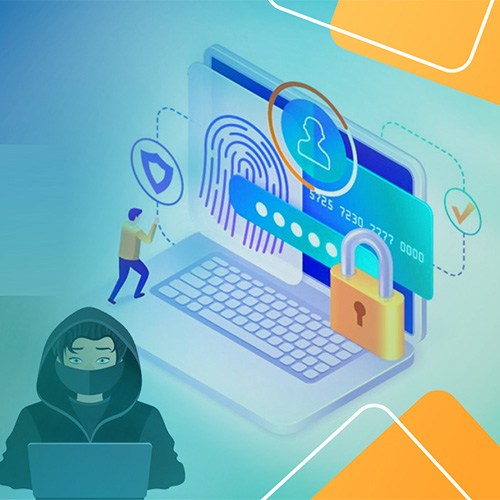

QR Codes Turn Into Cyber Traps
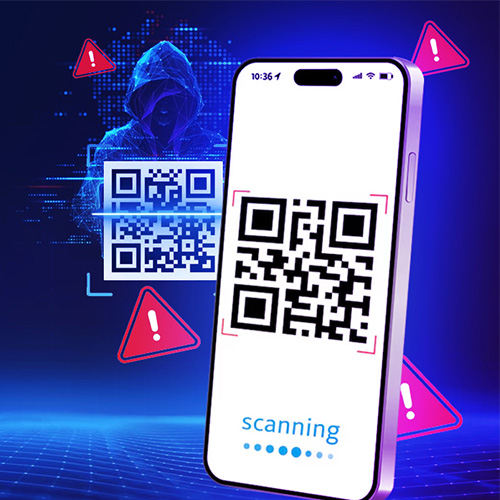
QR codes have evolved from a convenient digital shortcut into a growing cybersecurity threat. Criminals increasingly use malicious codes to redirect smartphone users to phishing pages, malware downloads and fraudulent payment destinations. This technique, known as quishing, is expanding rapidly.
Traditional email security typically analyzes URLs and message content. QR-based attacks complicate detection because the malicious destination is encoded within an image, potentially allowing suspicious links to evade conventional filtering.
Attackers exploit familiar lures such as HR notices, MFA resets, unpaid fines and payment requests. They may also place fraudulent QR stickers over legitimate codes or distribute them through email, SMS and social media.
The danger extends beyond credential theft. A scan can lead victims to malicious APKs or remote-access tools, potentially exposing banking information, personal data and mobile services.
As QR codes become ubiquitous, users must treat every unfamiliar code like a suspicious link: check for physical tampering, preview destinations, avoid unexpected app downloads and verify before scanning.

See What’s Next in Tech With the Fast Forward Newsletter









Tweets From @varindiamag
Nothing to see here - yet
When they Tweet, their Tweets will show up here.