

Memory Poisoning: AI’s Sleeper Attack
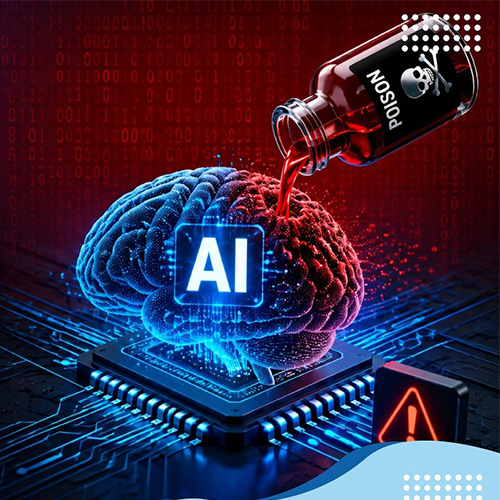
The rise of agentic AI is creating a dangerous new cybersecurity threat: persistent memory poisoning, where attackers manipulate what an AI system remembers rather than directly compromising the model.
Traditional prompt injections usually disappear when a session ends. AI agents with persistent memory are different. They can retain user preferences, previous decisions, project information, workflow instructions and tool histories across multiple sessions.
That convenience creates a durable attack surface. An attacker may only need to persuade an agent to store false information as memory.
The poisoned information can remain dormant for days or weeks. During an unrelated future task, the AI may retrieve that false memory and treat it as trusted context, potentially influencing decisions or actions.
The danger increases when autonomous agents have access to databases, emails, applications and enterprise systems. A poisoned memory could therefore trigger incorrect transactions, unauthorized actions or security failures long after the original attack.
Enterprises consequently need memory-level zero trust—validating information before storage, tracking its source, limiting retention and continuously auditing persistent AI memory.
The emerging lesson is clear: hackers may no longer need to hack AI—they can simply teach it a lie it never forgets.

See What’s Next in Tech With the Fast Forward Newsletter







Tweets From @varindiamag
Nothing to see here - yet
When they Tweet, their Tweets will show up here.