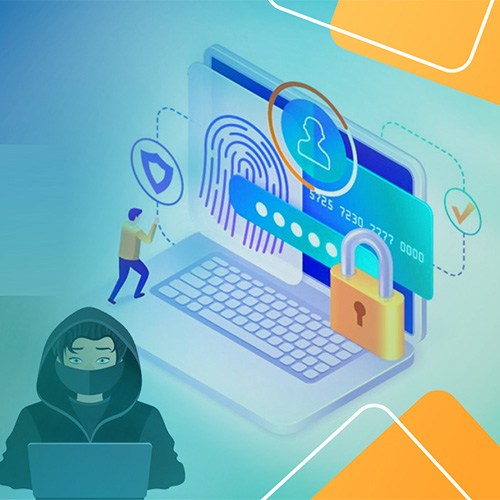


As IT services companies accelerate global expansion through remote hiring, a sophisticated new threat is gaining ground—AI-powered recruitment fraud. In a growing number of cases, cybercriminals are using deepfake video interviews and AI-generated resumes to outsmart automated screening systems. By posing as genuine professionals, these imposters clear virtual interviews, onboard successfully, and secure authorised access to internal networks and client environments. Within weeks, sensitive information is stolen and the fake employees vanish, leaving behind disrupted projects, financial losses, and lasting reputational harm. In the deepfake era, recruitment fraud is no longer a minor risk—it is a serious business threat.
Impact and Risk Exposure
Once onboarded, these fake hires were granted legitimate access to internal systems, client networks, software repositories, and confidential data. In a short period, intellectual property and sensitive project information were exfiltrated. Client deliverables suffered, and multiple data breaches were traced back to the compromised credentials.
The fallout exposed the organisation to major legal, financial, and reputational risks. Breaches of client confidentiality obligations triggered liability under strict contracts and regulatory frameworks such as the IT Act and data protection agreements. Erosion of client trust threatened project suspensions, contract terminations, and long-term damage to the firm’s industry credibility. The incident also drew scrutiny from cybersecurity regulators, raising concerns about future business prospects.
Incident Response
When early warning signs emerged—including inconsistent work quality and unusual communication patterns—the organisation launched an internal investigation.
HR teams re-verified identity documents for all remote hires and engaged independent agencies for comprehensive background checks. Cybersecurity teams analysed access logs, disabled compromised accounts, and contained the breach. Legal and compliance teams assessed client impact and regulatory exposure, initiating required disclosures to affected customers. Senior management prioritised transparent communication with clients and employees to manage the situation and rebuild confidence.
Remediation and Future Prevention
The incident revealed a critical weakness: excessive dependence on automated hiring systems with limited real-time identity verification. To address this, the organisation tightened access controls, secured client systems, and conducted extended audits to uncover any additional anomalies. Hiring and IT security policies were updated to enforce stronger due diligence at the recruitment stage.
Key preventive measures include introducing live, proctored video interviews with facial liveness checks; deploying deepfake detection tools across digital hiring workflows; mandating third-party credential verification for all candidates; training HR teams to recognise fraud indicators; closely monitoring new hires during probation—particularly in remote roles; and incorporating recruitment fraud scenarios into cybersecurity incident response plans.
As AI increasingly blurs the boundary between authentic and synthetic identities, organisations must accept that recruitment has become a frontline cybersecurity issue. Strengthening verification at the hiring stage is now essential to safeguarding systems, data, and trust.

See What’s Next in Tech With the Fast Forward Newsletter








Tweets From @varindiamag
Nothing to see here - yet
When they Tweet, their Tweets will show up here.