The biometric travel platform will now be compulsory for eligible international transit passengers at Delhi, Mumbai, Bengaluru and Hyderabad airports, supporting India’s efforts to build a faster, paperless and technology-driven airport experience.
International passengers transiting through four of India’s busiest airports will now be required to use DigiYatra, as the government expands the facial recognition-based platform to streamline airport operations and reduce dependence on physical document checks.
Effective June 1, 2026, the biometric system has become mandatory for eligible international transit travellers passing through airports in Delhi, Mumbai, Bengaluru and Hyderabad. The move marks a significant milestone in India’s ongoing digital transformation of aviation infrastructure.
DigiYatra uses facial recognition technology to verify a traveller’s identity, enabling passengers to move through designated airport checkpoints without repeatedly presenting boarding passes and identification documents. Authorities expect the system to help reduce congestion and improve passenger flow at busy terminals.
The initiative builds on DigiYatra’s adoption among domestic travellers, where it has already been used extensively across multiple airports.
Biometric verification to replace repeated checks
Under the process, passengers must complete registration through the DigiYatra mobile application before their journey. Travellers are required to upload an Aadhaar-linked selfie and their travel details ahead of departure.
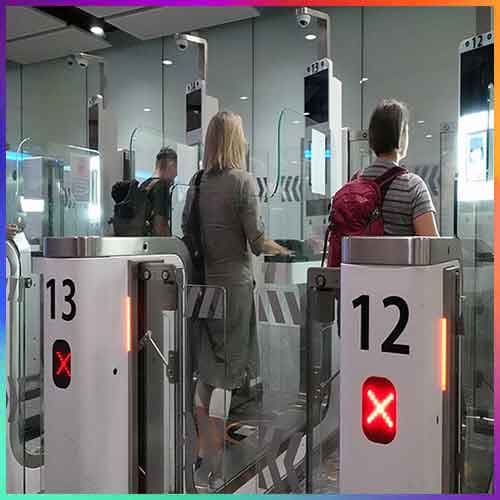
Once at the airport, facial recognition cameras capture a live image and compare it with the encrypted biometric data stored within the DigiYatra system. Successful verification allows passengers to access designated transit areas through automated e-gates, reducing the need for multiple manual identity checks.
Officials believe the technology can significantly improve operational efficiency while maintaining security standards. As air traffic continues to rise across the country, airports are increasingly adopting digital solutions to manage larger passenger volumes without expanding processing times.
The use of biometrics in air travel is also gaining momentum globally, with airports in several countries testing or deploying facial recognition systems to simplify check-in, security screening and boarding procedures.
Part of a wider aviation modernisation plan
The latest rollout forms part of a broader effort to modernise India's aviation ecosystem and create a more seamless travel experience. The government has indicated plans to expand DigiYatra to dozens of additional airports over the coming years.
Industry stakeholders view the initiative as an important step toward creating a standardized digital travel framework across the country’s airport network. Airlines operating domestic and international services have also begun incorporating DigiYatra-related guidance into passenger communications to facilitate smoother adoption.
According to official data, DigiYatra has already processed more than 100 million passenger journeys since its introduction, highlighting growing acceptance of biometric travel technologies.
With passenger traffic expected to continue rising, the expansion of DigiYatra reflects India’s broader vision of combining digital innovation with aviation infrastructure development. For international transit passengers at the four designated airports, facial recognition is now becoming an integral part of the travel journey.