
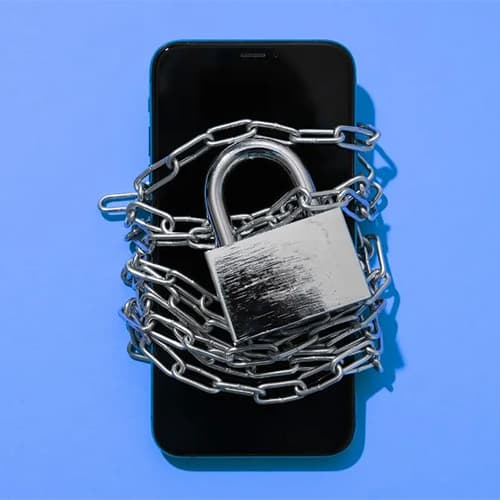
A new and highly aggressive Android ransomware strain, dubbed DroidLock, is raising serious alarms among cybersecurity experts after reports showed it can take near-total control of infected devices. Unlike earlier mobile ransomware that primarily locked screens or encrypted files, DroidLock exploits Android accessibility services and device administrator privileges to fully restrict user access.
Once installed—often disguised as a legitimate app or update—DroidLock disables security settings, blocks navigation buttons, prevents app uninstallation, and cuts off access to recovery options. Victims are then presented with a ransom demand, typically payable in cryptocurrency, with threats of permanent data loss or device bricking if payment is not made.
Researchers note that DroidLock’s sophistication lies in its persistence mechanisms. Even after rebooting, the malware reactivates itself, making traditional removal methods ineffective for average users. In some cases, a factory reset is rendered impossible without advanced technical intervention.
The emergence of DroidLock reflects a broader trend of cybercriminals shifting toward mobile platforms as smartphones increasingly store sensitive personal and financial data. Banking apps, digital wallets, authentication tokens, and corporate access credentials all make Android devices attractive targets.
Security experts advise users to install apps only from trusted sources, closely review permission requests, disable unnecessary accessibility privileges, and keep devices updated with the latest security patches. Enterprises are also urged to enforce mobile device management (MDM) policies to reduce exposure.
DroidLock serves as a stark reminder that mobile ransomware is evolving rapidly—and smartphones are now frontline targets in the global cybercrime landscape.