
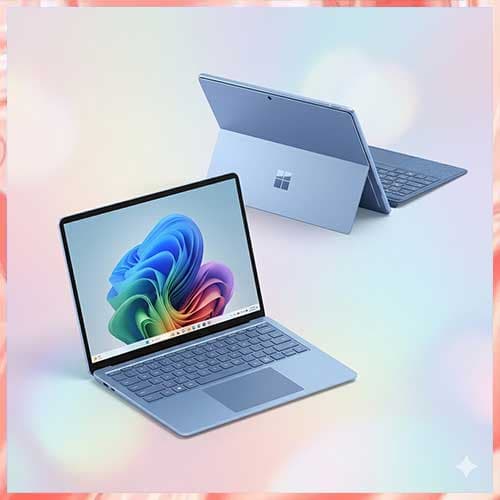
Microsoft has implemented significant price increases across its Surface device lineup, marking a notable shift in its pricing strategy amid rising component costs. The adjustments, now visible on its official store, affect all current-generation Surface Pro and Surface Laptop models, signaling broader structural pressures within the global technology supply chain.
The price hikes are substantial across multiple devices. The 12-inch Surface Pro, initially positioned as an affordable option at around $799, now starts at approximately $1,050. Similarly, the 13-inch Surface Pro (11th Edition), which launched near $1,000–$1,199, has risen to about $1,500 for its base configuration. Other models have seen increases ranging from $100 to over $500, with premium configurations exceeding $3,600.
At the core of these increases lies a global memory chip shortage, driven largely by the rapid expansion of AI data centers. As demand for high-performance RAM surges, supply constraints have intensified, pushing up component costs across the technology sector. This shortage has emerged as a defining factor influencing pricing strategies across PC manufacturers.
Microsoft’s response reflects a deliberate strategic choice rather than a reactive adjustment. By passing increased costs directly to consumers, the company aims to protect its profit margins in an environment of escalating input costs. This approach aligns with broader industry trends, as major PC manufacturers adopt similar pricing strategies to mitigate financial pressure.
Equally important is Microsoft’s commitment to maintaining the premium positioning of its Surface lineup. Instead of reducing specifications or compromising on build quality, the company has chosen to preserve performance standards, including advanced hardware configurations and AI-ready capabilities. This reinforces Surface devices as high-end offerings within an increasingly competitive market.
The pricing shift also signals a focus on prioritizing higher-margin products. By maintaining elevated price points, Microsoft can allocate resources toward flagship models while reinforcing its brand identity as a provider of premium, innovative devices. This strategy may also set expectations for future product generations, particularly if supply constraints persist.
For consumers, the impact is immediate and significant. Devices that are two years old now cost substantially more than their original launch prices, narrowing the value gap with competing products such as premium laptops from other brands. As the memory shortage is expected to continue through 2026, elevated prices may remain the norm, compelling buyers to carefully reassess value, performance, and alternatives in a rapidly evolving, AI-driven market.