New Manus Desktop application shifts AI processing from cloud to local devices, enabling deeper system access and control while raising fresh concerns around privacy, security, and the growing competition in autonomous AI agents.
AI startup Manus has introduced a new desktop application, marking a shift in how users interact with its general-purpose AI agent. The newly launched Manus Desktop brings the agent from a cloud-based environment directly onto personal computers, offering greater control and deeper integration with local systems.
Until now, Manus primarily operated through a web interface, limiting its interaction to cloud-based workflows. The desktop version introduces a feature called “My Computer,” allowing the AI agent to directly access files, applications, and system tools on a user’s device. This enables the agent to perform a wider range of actions, including reading, editing, and organizing files, as well as executing multi-step workflows locally.
Expanding capabilities, intensifying competition
According to the company, the desktop-based agent is designed to handle more complex tasks. Users can assign activities such as organizing large collections of local files or collaborating with development tools to build applications. This builds on Manus’s existing integrations with services like Google Calendar and Gmail, extending its functionality beyond the cloud.
The move also places Manus in closer competition with emerging players like OpenClaw, which has gained traction for its local-first approach. The project has drawn industry attention, including praise from Jensen Huang, who described it as “the next ChatGPT.” The growing popularity of such platforms reflects a broader industry shift toward autonomous AI agents that operate directly on user devices.
Privacy, security and regulatory spotlight
While the new capabilities enhance productivity, they also raise concerns about privacy and system security. Allowing AI agents to interact directly with local files and applications introduces risks, particularly if safeguards are not robust.
Manus said it has implemented user-controlled permissions to address these concerns. Actions performed by the agent require explicit approval, with options such as one-time or persistent access depending on user preferences.
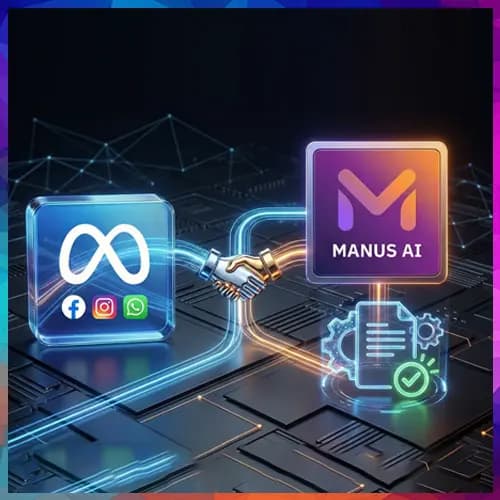
The launch also aligns with the broader AI strategy of Meta, which acquired Manus in 2025 to strengthen its position in autonomous AI systems. The company aims to integrate Manus technology across its ecosystem, including its AI assistant offerings.
However, the acquisition has attracted regulatory scrutiny, with Chinese authorities reportedly reviewing the deal over potential concerns related to technology control, even as Meta maintains that it has complied with all applicable regulations.