

Breaking News
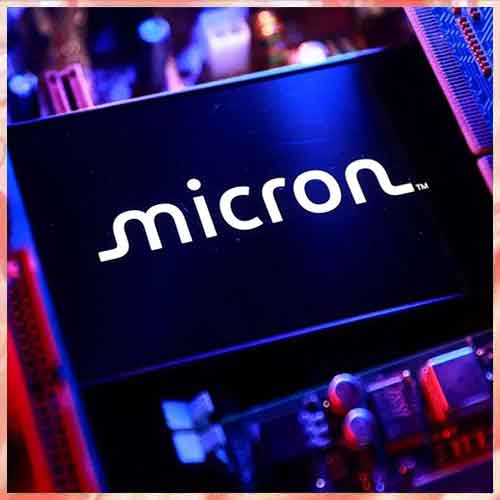
Micron Technology is leading a broader rally in memory chip stocks as investors bet that surging artificial intelligence (AI) demand will continue to tighten global supply and push prices higher. The rally reflects growing confidence that memory makers are entering a prolonged upcycle driven by massive investments in AI infrastructure.
Micron’s gains came amid renewed interest in companies supplying high-bandwidth memory (HBM), a critical component for AI servers. The rapid expansion of data centers powering generative AI workloads has sharply increased demand for advanced memory products, leaving limited capacity for traditional consumer applications such as smartphones and flash storage.
AI Infrastructure Strains Memory Supply
Industry executives have warned that the imbalance between supply and demand could persist well into next year. Samsung Electronics co-CEO T.M. Roh recently described the situation as unprecedented, noting that capacity constraints are becoming increasingly difficult to ease. Micron CEO Sanjay Mehrotra has echoed similar concerns, stating that tight conditions in memory markets may extend beyond 2026.
According to data from market research firm TrendForce, prices for certain memory products have more than doubled since early 2025 as manufacturers prioritize production of HBM and server-grade DRAM. This shift has reduced output available for consumer devices, adding further pressure to already constrained supply chains.
Investors Bet on a Prolonged Memory Upswing
The tightening supply environment has translated into strong stock market performance for memory manufacturers. Micron’s shares surged sharply over the past year, significantly outperforming the broader semiconductor sector. South Korea’s SK Hynix also recorded substantial gains, while Samsung Electronics benefited from renewed investor interest in memory-led growth.
Analysts remain optimistic about the sector’s outlook. Market watchers at firms such as Morningstar and J.P. Morgan believe the industry is entering a “memory supercycle” that could last through at least 2027. They cite sustained global spending on AI infrastructure, cloud services, and advanced computing as key drivers supporting long-term demand.
While price volatility remains a risk, analysts say companies with strong exposure to AI-focused memory products are well positioned to benefit from the ongoing supply crunch. As AI adoption accelerates across industries, memory makers are expected to remain central to the next phase of growth in the global semiconductor market.

See What’s Next in Tech With the Fast Forward Newsletter








Tweets From @varindiamag
Nothing to see here - yet
When they Tweet, their Tweets will show up here.