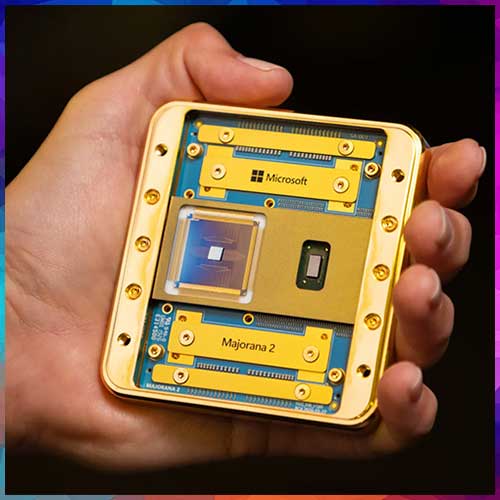
Microsoft unveiled a new quantum computing chip, Majorana 2, a follow-on from its first Majorana chip last year that it redesigned with the help of AI, indicating that the tech giant now believes it will have commercially useful quantum machines by 2029. The new target date puts Microsoft on track to have quantum computers the same year as rival IBM, which last month said it plans to spend $10 billion on quantum machines. It also spun out a company to make quantum chips for others, with backing from President Donald Trump's administration.
Microsoft had not previously given a target year for the new chip, saying only that it would be a matter of years, not decades.
Microsoft and IBM are racing against Alphabet's Google, Amazon and several Chinese efforts to develop quantum systems that â could crack problems in medicine, chemistry and cybersecurity that would take conventional computers thousands of years.
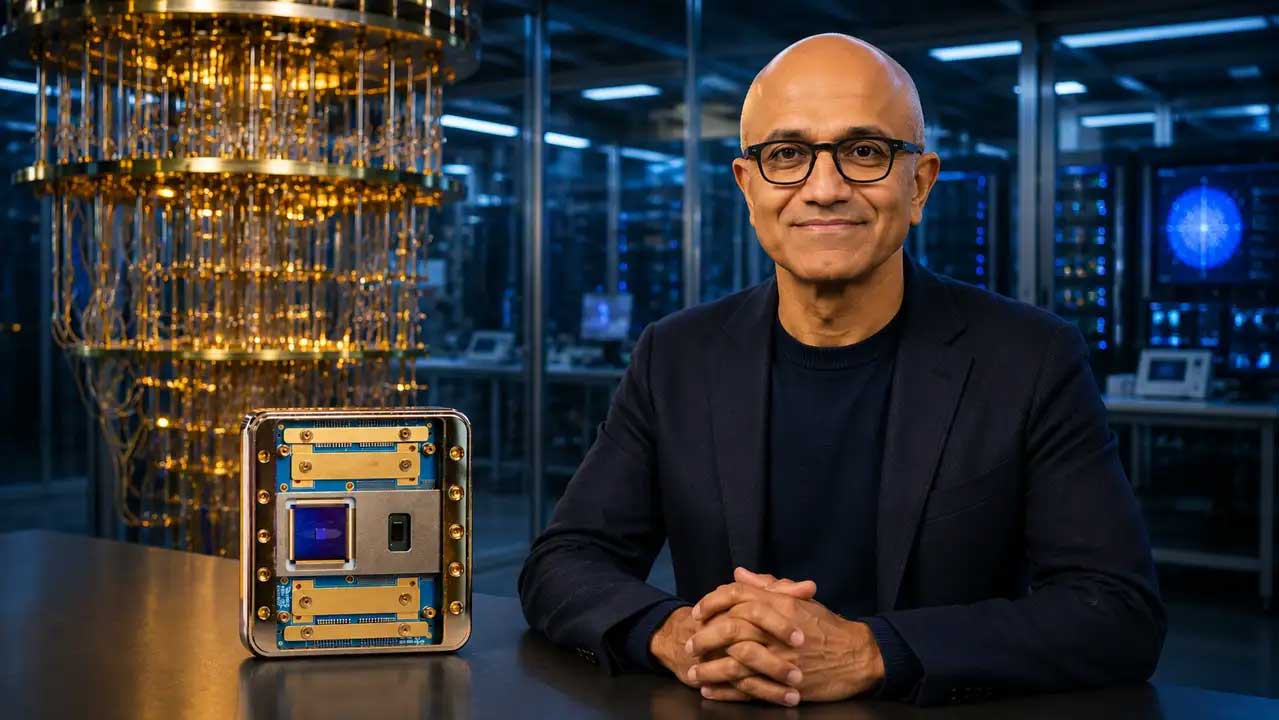
The biggest change to Microsoft's internally made chip versus its predecessor is that it uses an entirely new set of materials. While Google, IBM and many others make quantum chips with superconducting wires made out of aluminum, Microsoft's will be made out of lead, a larger atom.
Microsoft made the switch with the help of AI tools that it developed for use in materials science, and the result was a 1,000-fold improvement in some aspects of Majorana 2's performance, said Jason Zander, an executive vice president at Microsoft who oversees the firm's quantum efforts. The breakthrough, Zander said, was figuring out how to use lead, which is water soluble, on a chip without the lead washing away during the manufacturing â process.