
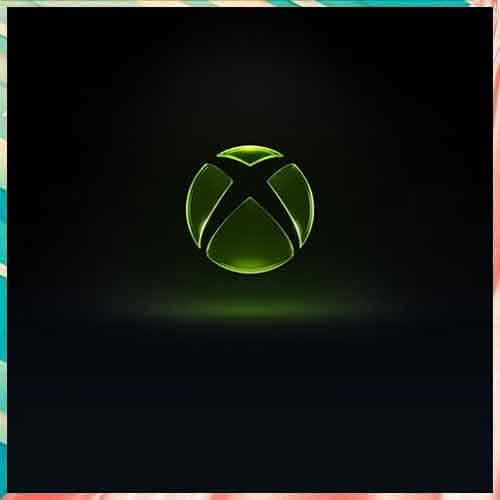
Microsoft has dropped the “Microsoft Gaming” label, returning to Xbox as its core gaming identity, alongside a refreshed logo and renewed focus on player engagement, content strategy, and platform growth across consoles, PC, and services.
Microsoft has repositioned its gaming business under the Xbox brand, quietly phasing out the “Microsoft Gaming” identity in a move that signals a broader strategic reset. The shift is accompanied by a redesigned Xbox logo that revives the brand’s signature neon green aesthetic, marking a departure from the minimalist look adopted in recent years.
The update was internally communicated by Xbox leadership during a company-wide meeting and later reflected across digital platforms and corporate spaces. The refreshed branding, already visible across offices and promotional materials, aligns with the company’s efforts to reinforce Xbox as a distinct and recognisable gaming identity.
Brand revival and community response
The return to a more vibrant visual identity appears aimed at reconnecting with long-time fans and strengthening brand recall. Early reactions across social media suggest strong engagement, with users welcoming the revival of Xbox’s classic design language.
The updated logo has also begun appearing alongside messaging that emphasises gaming innovation and future growth, particularly in the lead-up to the company’s upcoming Xbox showcase event. The move highlights Microsoft’s intention to reassert Xbox as a central pillar of its entertainment and gaming ecosystem.
Strategic priorities and market challenges
Beyond branding, the shift reflects deeper changes within Microsoft’s gaming strategy. Leadership has acknowledged challenges, including slower hardware updates, evolving expectations in the PC gaming segment, and concerns around pricing. In response, the company is placing greater emphasis on improving player engagement, with metrics such as daily active users becoming a key performance indicator.
The company has outlined four primary focus areas: hardware development, content creation, user experience, and services. This includes a renewed look at its approach to exclusive titles and platform strategy. While Xbox has traditionally relied on exclusives to drive console adoption, recent decisions to expand select titles to other platforms have opened new revenue opportunities, prompting a reassessment of long-term positioning.
The rebranding also marks a shift away from the structure introduced in 2022, when the “Microsoft Gaming” identity was formalised during a period of expansion and major acquisitions. The renewed focus on Xbox suggests a consolidation phase, with the company aiming to streamline its gaming vision under a single, globally recognised brand.
As Microsoft prepares for its next phase in gaming, the return to Xbox branding underscores both a nod to its legacy and a recalibration for future growth in an increasingly competitive market.