NEURA Robotics and Qualcomm Technologies have announced a long-term collaboration to develop next-generation robotics platforms powered by artificial intelligence.
The partnership aims to combine Qualcomm’s expertise in edge AI processors, connectivity and robotics computing with NEURA’s robotic hardware systems and embodied AI software to accelerate the deployment of intelligent robots in real-world environments.
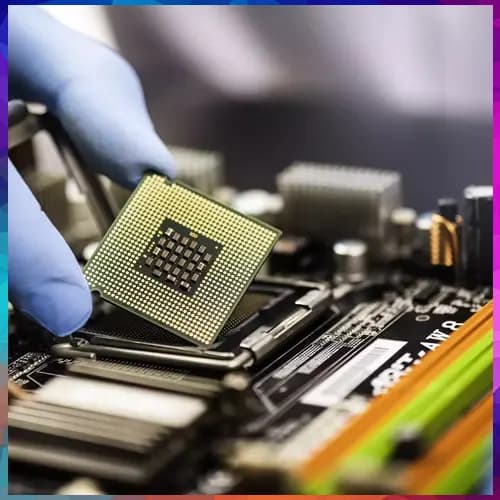
The companies said their collaboration will focus on building reference architectures that integrate high-level cognitive capabilities—such as perception, reasoning and planning—with low-latency control systems required for robotics. Qualcomm’s robotics processors, including the Dragonwing IQ10 series, will be paired with NEURA’s robotic platforms and software stack.
The effort is intended to help move robotics technologies from research prototypes to large-scale commercial deployment across industries.
Both companies said the collaboration will target robots designed to work alongside humans in environments such as factories, service industries and households. The systems will combine on-device AI processing with real-time decision-making capabilities so that robots can respond quickly without relying entirely on cloud-based computing.
The partnership will also explore standardized deployment frameworks to simplify how AI workloads are developed, validated and updated across robotic platforms.
NEURA’s cloud-based Neuraverse platform is expected to play a central role in the collaboration. The platform connects robots into a shared network where data and AI improvements from one robot can be applied across fleets.
The companies also plan to build a developer ecosystem and marketplace for robotics applications, encouraging third-party developers to create software that can run across multiple robotic systems.
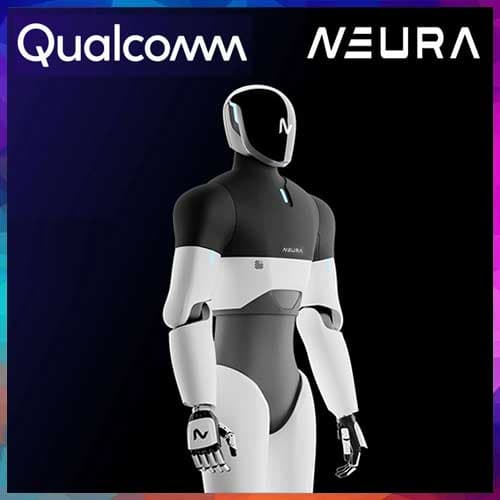
NEURA’s portfolio includes robotic arms, mobile robots, service robots and humanoid platforms, which will serve as development and testing platforms for the collaboration.
Executives at both companies said the initiative reflects growing demand for “physical AI”—systems that combine artificial intelligence with robotics to perform complex tasks in real-world environments.
The companies said the partnership aims to accelerate commercialization of humanoid and general-purpose robots capable of operating safely alongside humans.
The partnership aims to combine Qualcomm’s expertise in edge AI processors, connectivity and robotics computing with NEURA’s robotic hardware systems and embodied AI software to accelerate the deployment of intelligent robots in real-world environments.
The companies said their collaboration will focus on building reference architectures that integrate high-level cognitive capabilities—such as perception, reasoning and planning—with low-latency control systems required for robotics. Qualcomm’s robotics processors, including the Dragonwing IQ10 series, will be paired with NEURA’s robotic platforms and software stack.
The effort is intended to help move robotics technologies from research prototypes to large-scale commercial deployment across industries.
Both companies said the collaboration will target robots designed to work alongside humans in environments such as factories, service industries and households. The systems will combine on-device AI processing with real-time decision-making capabilities so that robots can respond quickly without relying entirely on cloud-based computing.
The partnership will also explore standardized deployment frameworks to simplify how AI workloads are developed, validated and updated across robotic platforms.
NEURA’s cloud-based Neuraverse platform is expected to play a central role in the collaboration. The platform connects robots into a shared network where data and AI improvements from one robot can be applied across fleets.
The companies also plan to build a developer ecosystem and marketplace for robotics applications, encouraging third-party developers to create software that can run across multiple robotic systems.
NEURA’s portfolio includes robotic arms, mobile robots, service robots and humanoid platforms, which will serve as development and testing platforms for the collaboration.
Executives at both companies said the initiative reflects growing demand for “physical AI”—systems that combine artificial intelligence with robotics to perform complex tasks in real-world environments.
The companies said the partnership aims to accelerate commercialization of humanoid and general-purpose robots capable of operating safely alongside humans.