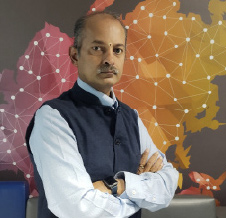


The industry body says a sustainable funding mechanism is essential to support cybersecurity, fraud prevention, infrastructure and innovation as UPI transaction volumes continue to reach record levels.
The Payments Council of India (PCI) has backed the introduction of a sustainable revenue model for the Unified Payments Interface (UPI), saying continued investment will be necessary to maintain the security, reliability and scalability of India’s rapidly expanding digital payments ecosystem.
In a statement issued on August 7, the industry body said operating UPI at its current scale involves significant and recurring expenditure across technology infrastructure, regulatory compliance, customer support, cybersecurity, fraud detection and product innovation. These costs are currently being absorbed by banks and payment companies, according to PCI.
The council’s position comes after the Lok Sabha passed legislation on August 6 that enables the government to introduce a Merchant Discount Rate (MDR) for UPI transactions. UPI has operated under a zero-MDR framework since 2020.
MDR is a fee generally paid by merchants to banks or payment service providers for processing digital transactions. PCI said a structured revenue mechanism could help strengthen the financial foundation required to maintain and upgrade the underlying payments infrastructure.
UPI has become the dominant digital payments platform in India, accounting for more than 89% of digital transactions. The network now handles over 23 billion transactions every month, with the value of monthly transactions approaching ₹30 lakh crore.
PCI highlights rising costs of digital payments infrastructure
According to PCI, the development of UPI has involved sustained investment from banks, payment companies, fintech firms, the National Payments Corporation of India (NPCI) and the Reserve Bank of India (RBI).
The council said the ecosystem has evolved significantly over the past decade and now requires continuous spending to address increasingly sophisticated fraud threats, strengthen cybersecurity, improve system resilience and support growing transaction volumes.
PCI’s support for MDR comes amid a wider debate over whether introducing charges could eventually increase the cost of digital payments for consumers and smaller businesses.
Congress leader Jairam Ramesh had raised concerns on August 6 over the possibility of UPI transactions becoming more expensive. Finance Minister Nirmala Sitharaman subsequently clarified that consumers and small merchants would continue to access UPI without being charged for making digital payments.
The government has also maintained that any merchant service charges, where applicable, would represent commercial arrangements between merchants and payment service providers rather than a direct fee imposed on consumers.
Focus remains on security and long-term sustainability
PCI said the discussion around UPI’s funding model should balance the need for continued investment with the interests of consumers and small merchants.
The council argued that UPI’s transformation from an emerging payments platform into one of the world’s largest real-time payment networks has increased the importance of maintaining its technological and security infrastructure.
As transaction volumes continue to grow, PCI said funding mechanisms should enable banks, fintech companies and other ecosystem participants to invest in resilience, fraud prevention and innovation without undermining the accessibility of digital payments.
The debate over MDR is therefore likely to remain focused on finding a model that can support UPI’s long-term expansion while ensuring that the platform continues to remain affordable and accessible to users and smaller businesses.

See What’s Next in Tech With the Fast Forward Newsletter









Tweets From @varindiamag
Nothing to see here - yet
When they Tweet, their Tweets will show up here.