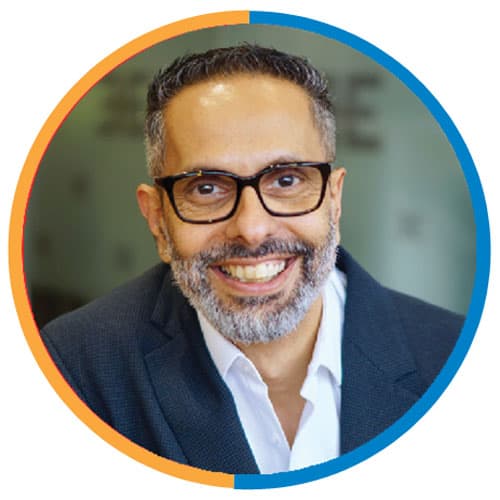
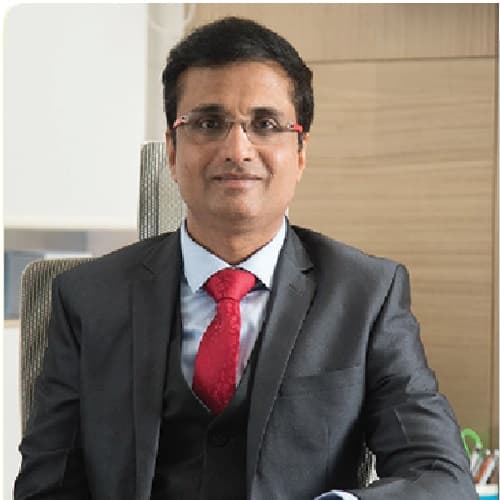
DR. SANJAY KATKAR
JOINT MANAGING DIRECTOR, QUICK HEAL TECHNOLOGIES LIMITED
At Quick Heal Technologies, we have embraced an AI-first approach to cybersecurity. Our GoDeep.AI technology integrates traditional machine learning with deep learning, large language models, and NLP—a journey that began over two decades ago with malicious URL detection. Today, this powers both our Quick Heal retail solutions and Seqrite enterprise offerings. We recently adopted a freemium model for AntiFraud.AI, India’s first fraud prevention solution, to increase accessibility. On the enterprise side, the Seqrite Intelligent Assistant (SIA) enables instant threat analysis and response recommendations. Additionally, our cloud-native metaProtect platform supports remote security management, while behavioural analytics help identify zero-day threats, moving us from reactive to predictive defense.
The cyber threat landscape has evolved from high-volume attacks to sophisticated, AI-driven campaigns. We counter this with three key strategies: behavioural pattern recognition instead of signature-based detection, real-time cloud intelligence via Seqrite Labs, and security convergence— unifying endpoint, network, and cloud protection for comprehensive visibility. We are focused on mitigating threats like AI-generated phishing, deepfake social engineering, and supply chain attacks that bypass traditional defenses.
Quantum computing represents the next major cryptographic disruption since the internet’s creation. By the 2030s, RSA and ECC encryption will become obsolete, requiring organizations to migrate to post-quantum cryptography before practical quantum cryptanalysis emerges. This challenge is as much economic and operational as technical. Treating quantum computing as both a threat and opportunity, early adopters will gain long-term security and competitive advantage.