

Samsung plans a sharp expansion of Google Gemini-powered AI features across its mobile portfolio, aiming to reach 800 million devices in 2026 as it sharpens competition with Apple and Chinese rivals amid rapid advances in consumer artificial intelligence.
Samsung Electronics is accelerating its push into artificial intelligence, announcing plans to double the number of mobile devices running Google’s Gemini-powered AI features to 800 million units in 2026. The South Korean technology major had enabled Gemini-based capabilities on around 400 million smartphones and tablets by the end of last year.
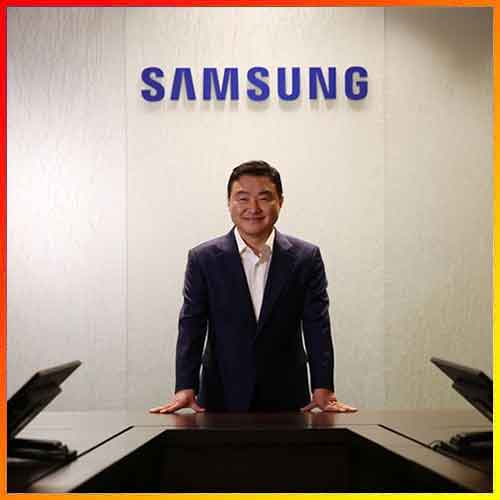
TM Roh, who took over as co-CEO of Samsung Electronics in November, said the company intends to embed AI across its entire product ecosystem at speed. The strategy is expected to strengthen Samsung’s differentiation in an increasingly crowded market, while also reinforcing Google’s position as competition among AI model developers intensifies globally.
AI as a competitive lever
Samsung, the largest manufacturer of Android-based devices, sees AI-led experiences as central to regaining leadership in the global smartphone market and defending share against Chinese brands. Beyond smartphones, the company plans to extend integrated AI services across televisions, home appliances and other consumer electronics.
Roh said consumer awareness of Samsung’s Galaxy AI branding has surged sharply over the past year, indicating growing acceptance of AI-powered features. While search remains the most widely used AI function on phones, users are increasingly adopting generative tools for photo editing, translation, summarisation and productivity, he added.
The company’s expanded AI roadmap comes as Google recently unveiled the latest iteration of its Gemini model, intensifying competition with rivals such as OpenAI. Industry observers see Samsung’s scale as a key advantage in bringing AI capabilities to mass-market devices.
Supply pressures and evolving markets
However, the aggressive AI push is unfolding against a challenging backdrop. A global shortage of memory chips, while benefiting Samsung’s semiconductor arm, is squeezing margins in its smartphone business. Roh acknowledged that no electronics manufacturer is immune to the impact and did not rule out price adjustments if component costs continue to rise.
Samsung is also navigating shifting consumer trends. Growth in foldable smartphones, a category it pioneered, has been slower than expected, though the company remains confident the segment will gain mainstream adoption within the next few years.
As AI becomes a defining feature of consumer devices, Samsung’s strategy underscores its belief that intelligence, scale and ecosystem integration will shape the next phase of competition in the global electronics industry.

See What’s Next in Tech With the Fast Forward Newsletter








Tweets From @varindiamag
Nothing to see here - yet
When they Tweet, their Tweets will show up here.