


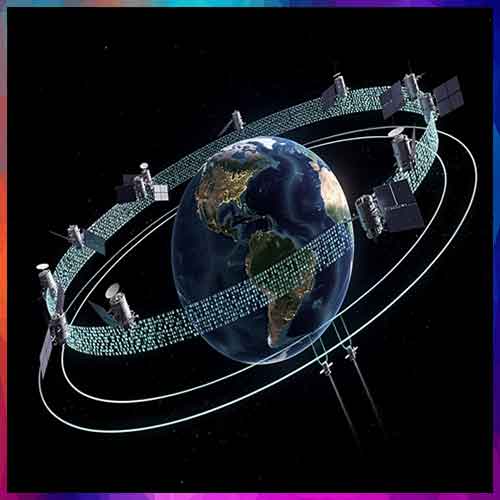
Elon Musk's SpaceX has announced plans to shift a significant portion of its Starlink satellite constellation into lower orbits by 2026. The technical reconfiguration aims to improve network performance and enhance space safety by reducing the long-term risk of orbital debris. Future Starlink satellites will reportedly operate at altitudes around the 480km mark, a notable reduction from the current primary operating altitude of approximately 550km. This transition is designed to decrease signal latency, providing faster internet speeds for users globally.
Furthermore, the increased atmospheric drag at these lower altitudes ensures that any decommissioned or malfunctioning satellites will de-orbit and burn up in the Earth’s atmosphere within weeks, instead of years.
This follows a December statement from Starlink describing a rare anomaly involving a satellite operating at an altitude of 418 km. The incident led to a complete loss of communication with the spacecraft and produced a limited amount of orbital debris, representing an unusual technical failure for the satellite internet provider.
The move also comes amid increasing scrutiny from the international scientific community and space agencies over the growing concentration of satellites in Low Earth Orbit (LEO).
By shifting operations to a lower orbital shell, SpaceX aims to reduce the risk of the “Kessler Syndrome,” in which a single collision could set off a cascading debris event. The company said the decision reflects its commitment to space sustainability, noting that the Very Low Earth Orbit (VLEO) environment is effectively self-clearing due to natural atmospheric drag.

See What’s Next in Tech With the Fast Forward Newsletter









Tweets From @varindiamag
Nothing to see here - yet
When they Tweet, their Tweets will show up here.