Apple has issued a fresh wave of security alerts to users in 110 countries, warning that they may have been individually targeted by highly sophisticated mercenary spyware attacks. The latest notifications underscore the growing global market for commercial surveillance tools capable of compromising even well-secured smartphones.
The company says these attacks are fundamentally different from conventional cybercrime. Mercenary spyware operations are exceptionally well funded, can cost millions of dollars to develop and deploy, and generally target a small group of high-value individuals. Journalists, politicians, diplomats, activists and other prominent individuals have historically been among the primary targets.
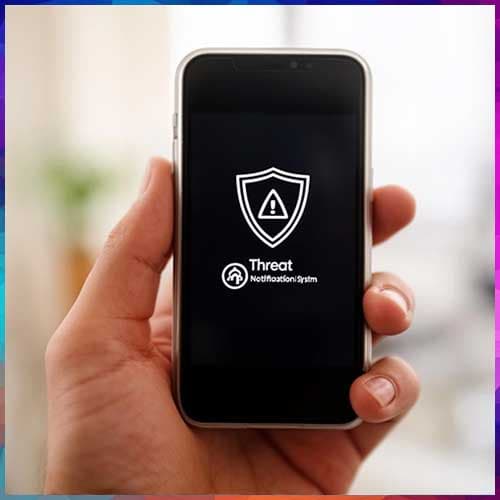
Apple's latest warnings appear directly on an iPhone's Lock Screen and in Settings, alongside other notification channels. Apple considers its threat notifications to be high-confidence warnings that an individual has been targeted, although receiving an alert does not necessarily confirm that the device has been successfully compromised.
Since launching its threat-notification program in 2021, Apple says it has warned users in more than 150 countries. The company does not publicly attribute individual alerts to specific governments, surveillance companies or geographical regions because revealing detection details could enable attackers to change their techniques.
The significance goes beyond Apple devices. Smartphones have become repositories of identities, financial information, corporate communications, location data and confidential conversations. Compromising a single device belonging to a senior executive, government official or journalist can therefore provide attackers with intelligence far beyond that individual.
Mercenary spyware also demonstrates why traditional cybersecurity based mainly on passwords and malware detection is no longer sufficient. Organizations increasingly need zero-trust access, behavioral monitoring, strong device security, rapid patching and continuous identity verification to protect high-risk users.
Apple recommends that people receiving a threat notification take it seriously, keep devices updated and consider enabling Lockdown Mode, an extreme protection feature designed specifically for people who may face highly sophisticated targeted attacks. Users should also beware of fake security messages: Apple says genuine threat notifications will never ask recipients to click links, install apps or profiles, or provide passwords or verification codes.
The latest alerts send a broader message to governments and enterprises: mobile security has become a national-security, corporate-security and privacy issue. As commercial surveillance capabilities become more advanced, protecting sensitive individuals will increasingly require security architectures designed not merely to prevent attacks, but to detect when trusted devices and identities themselves may have been compromised.