
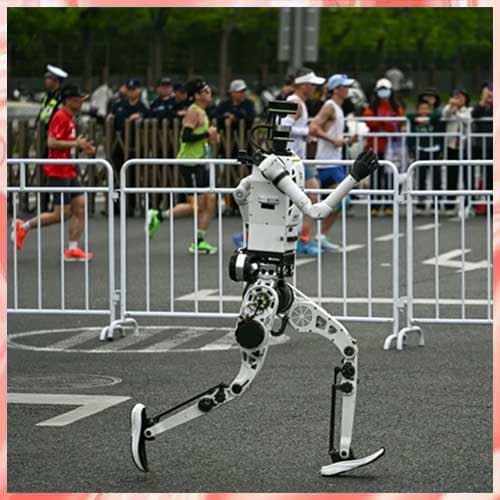
As artificial intelligence continues to dominate headlines, the field of robotics steadily progresses, often overshadowed by the buzz surrounding AI advancements. However, recent developments in humanoid robotics are making waves, particularly as these machines demonstrate remarkable capabilities. A noteworthy event occurred in Beijing, where dozens of Chinese-made robots showcased their athletic prowess by outperforming human runners in a half-marathon race. This achievement highlights the rapid evolution of robotics and raises questions about the future of human-machine competition.
The half-marathon in Beijing was not just a race; it was a demonstration of how far robotics has come in a relatively short period. The participating robots, designed with advanced algorithms and cutting-edge engineering, ran the race with precision and speed, leaving many human competitors behind. This event is a testament to the advancements in robotics, particularly in areas such as biomechanics, sensor technology, and machine learning, which have allowed these humanoid robots to mimic human athleticism closely.
One of the most significant aspects of this event is the technological innovations behind these robots. Engineers have made tremendous strides in creating machines that can adapt to varying terrains and conditions, much like human athletes. The robots utilized sophisticated sensors to navigate the course, adjust their speed, and maintain balance, showcasing their ability to process information in real time. This level of adaptability is a crucial factor that distinguishes modern robots from their predecessors, making them capable of participating in complex physical activities.
Moreover, the implications of robots outperforming humans in physical competitions extend beyond mere entertainment. This achievement raises critical questions about the future role of robots in sports and exercise. As robots continue to improve, they may not only participate in races but also serve as training partners for athletes, helping them refine their techniques and enhance their performance. This collaboration between humans and robots could lead to new training methodologies, pushing the boundaries of athletic achievement further.
However, the rise of humanoid robots in athletics also brings forth ethical considerations. The idea of robots competing against humans raises concerns about fairness and the essence of sportsmanship. As robotics technology advances, there is a risk that human athletes may feel threatened by their mechanical counterparts, potentially leading to a divide in the sports community. It is crucial for stakeholders in the sports and robotics industries to engage in discussions about the role of robots in athletic competitions to ensure that both human and robotic athletes can coexist harmoniously.
Despite these challenges, the growing presence of humanoid robots in athletics should be viewed as an opportunity for innovation and collaboration rather than competition. The integration of robotics into sports could lead to advancements in training techniques, injury prevention, and performance analysis. By leveraging the strengths of both human athletes and robots, we can create a new paradigm in sports that emphasizes enhancement and improvement.
Finally, the recent half-marathon in Beijing serves as a significant milestone in the evolution of humanoid robotics. As these machines continue to improve and demonstrate their capabilities, it is essential to recognize their potential contributions to the world of athletics and beyond. The future of sports may very well be a collaborative effort between humans and machines, ushering in an era where both can thrive and push the limits of what is possible. As we embrace this new reality, it is vital to approach the integration of robotics in athletics thoughtfully, ensuring that the spirit of competition remains intact while exploring the exciting possibilities that lie ahead.