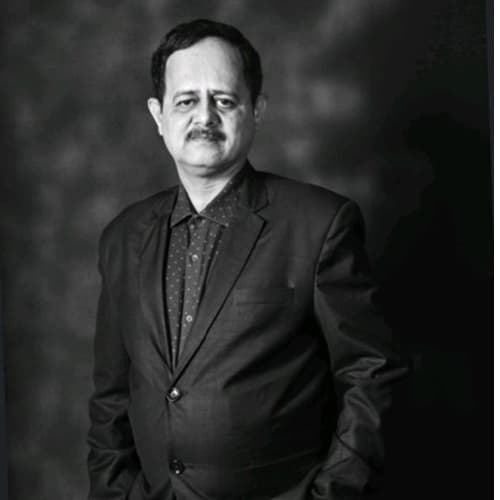
DR. DEEPAK KALAMBKAR
DIRECTOR INFORMATION SECURITY, FLEXM
AI-DRIVEN CYBER DEFENSE
As businesses in 2025 embrace rapid digital transformation, cyber vigilance has become a critical element of enterprise strategy. Technologies like AI, automation, and zero-trust frameworks are now central to how CIOs and CXOs protect organizations against evolving cyber threats.
CIOs are no longer just managing IT infrastructure—they are driving business strategy, innovation, and cybersecurity. With AI becoming a key enabler of intelligent operations, CIOs are integrating it across systems to identify threats in real-time, predict vulnerabilities, and automate response mechanisms. This shift is empowering organizations to prevent breaches before they occur, rather than react after the damage is done.
By aligning AI investments with business goals, CIOs are improving efficiency, enabling data-driven decisions, and helping organizations stay competitive in a threat-prone digital world.
Zero-trust security has become the standard model, and AI plays a vital role in making it work effectively. No device or user is trusted automatically. Instead, AI verifies credentials, location, and usage behavior before granting access. This intelligent verification helps protect sensitive data even in cloud-based, distributed environments.
Combined with automation, AI allows for continuous network monitoring, faster detection of malicious activity, and immediate isolation of threats—without human intervention.
CXOS CHAMPIONING A SECURITY-FIRST CULTURE
CXOs, including CISOs and CTOs, are championing the development of a cyber-aware workforce. AI supports these efforts by monitoring user behavior and highlighting anomalies, which can indicate internal threats or human errors. Companies are implementing AI-powered tools to customize cybersecurity training, simulate phishing attacks, and create tailored awareness programs that adapt based on employee risk profiles.
Together with strict password policies, multi-factor authentication, and access controls, these initiatives help build a culture where cyber hygiene is part of everyday operations.
A COLLABORATIVE CYBERSECURITY LEADERSHIP
The responsibilities of CIOs, CTOs, CISOs, and DPOs are now closely linked. While CIOs focus on aligning technology with business goals, CISOs ensure robust defense systems, and DPOs uphold data privacy standards. AI is the common thread that connects these roles— helping each leader safeguard data, ensure compliance, and drive innovation.
In a world of increasing cyber risks, CIOs and CXOs are turning AI into a frontline cyber defense—making security not just a system, but a core part of business resilience.