
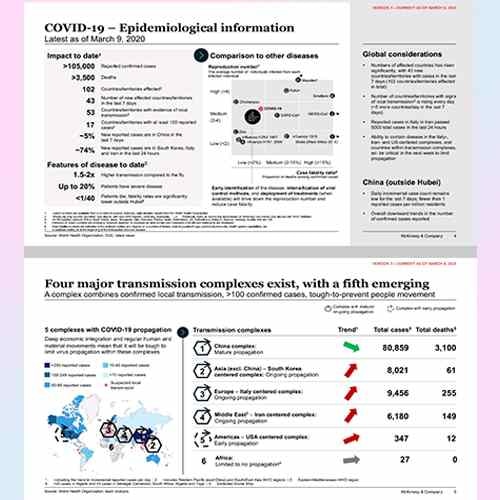
Early information out of China, where COVID-19 first started, shows that some people are at higher risk of getting very sick from this illness. This includes:
* Older adults
* People who have serious chronic medical conditions like:
** Heart disease
** Diabetes
** Lung disease
If a COVID-19 outbreak happens in your community, it could last for a long time. (An outbreak is when a large number of people suddenly get sick.) Depending on how severe the outbreak is, public health officials may recommend community actions to reduce people’s risk of being exposed to COVID-19. These actions can slow the spread and reduce the impact of disease.
If you are at higher risk for serious illness from COVID-19 because of your age or because you have a serious long-term health problem, it is extra important for you to take actions to reduce your risk of getting sick with the disease.
Get ready for COVID 19:
Have supplies on hand
* Contact your healthcare provider to ask about obtaining extra necessary medications to have on hand in case there is an outbreak of COVID-19 in your community and you need to stay home for a prolonged period of time.
* If you cannot get extra medications, consider using mail-order for medications.
* Be sure you have over-the-counter medicines and medical supplies (tissues, etc.) to treat fever and other symptoms. Most people will be able to recover from COVID-19 at home.
* Have enough household items and groceries on hand so that you will be prepared to stay at home for a period of time.
Take everyday precautions
* Avoid close contact with people who are sick
* Take everyday preventive actions
* Clean your hands often
* Wash your hands often with soap and water for at least 20 seconds, especially after blowing your nose, coughing, or sneezing, or having been in a public place.
* If soap and water are not available, use a hand sanitizer that contains at least 60% alcohol.
* To the extent possible, avoid touching high-touch surfaces in public places – elevator buttons, door handles, handrails, handshaking with people, etc. Use a tissue or your sleeve to cover your hand or finger if you must touch something.
* Wash your hands after touching surfaces in public places.
* Avoid touching your face, nose, eyes, etc.
* Clean and disinfect your home to remove germs: practice routine cleaning of frequently touched surfaces (for example: tables, doorknobs, light switches, handles, desks, toilets, faucets, sinks & cell phones)
* Avoid crowds, especially in poorly ventilated spaces. Your risk of exposure to respiratory viruses like COVID-19 may increase in crowded, closed-in settings with little air circulation if there are people in the crowd who are sick.
* Avoid all non-essential travel including plane trips, and especially avoid embarking on cruise ships.
If COVID-19 is spreading in your community, take extra measures to put distance between yourself and other people to further reduce your risk of being exposed to this new virus.
* Stay home as much as possible.
* Consider ways of getting food brought to your house through family, social, or commercial networks
* Have a plan for if you get sick:
* Consult with your health care provider for more information about monitoring your health for symptoms suggestive of COVID-19.
* Stay in touch with others by phone or email. You may need to ask for help from friends, family, neighbors, community health workers, etc. if you become sick.
* Determine who can provide you with care if your caregiver gets sick
Watch for symptoms and emergency warning signs
* Pay attention for potential COVID-19 symptoms including, fever, cough, and shortness of breath. If you feel like you are developing symptoms, call your doctor.
* If you develop emergency warning signs for COVID-19 get medical attention immediately. In adults, emergency warning signs*:
** Difficulty breathing or shortness of breath
** Persistent pain or pressure in the chest
** New confusion or inability to arouse
** Bluish lips or face
What to Do if You Get Sick
* Stay home and call your doctor
* Call your healthcare provider and let them know about your symptoms. Tell them that you have or may have COVID-19. This will help them take care of you and keep other people from getting infected or exposed.
* If you are not sick enough to be hospitalized, you can recover at home. Follow CDC instructions for how to take care of yourself at home.
* Know when to get emergency help
* Get medical attention immediately if you have any of the emergency warning signs listed above.