


Techno Blogging
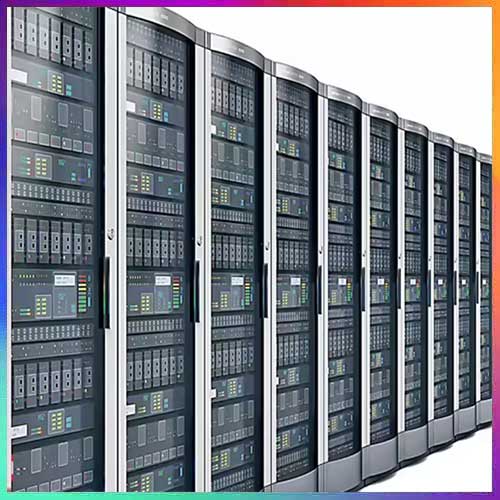
The global enterprise storage market posted its strongest growth in several years in the first quarter of 2026, as artificial intelligence deployments, deferred infrastructure upgrades and rising component prices fueled a sharp increase in spending, according to IDC.
Worldwide external OEM enterprise storage systems (ESS) revenue reached $9.2 billion during the quarter, up 22.7% from a year earlier. The growth marks a significant acceleration from the 3.9% expansion recorded for full-year 2025 and the 5.5% increase seen in the final quarter of last year.
According to IDC, the storage market is benefiting from two converging trends. Enterprises that delayed storage upgrades while prioritizing AI servers and GPUs are now refreshing aging infrastructure, while AI training, inference and unstructured data workloads are creating fresh demand for high-performance storage systems.
At the same time, higher prices for NAND flash, DRAM and storage components are pushing up system costs, amplifying revenue growth beyond shipment volumes.
One of the biggest milestones during the quarter was the rise of all-flash arrays, which accounted for more than half of total enterprise storage revenue for the first time. All-flash systems generated $4.9 billion in revenue, growing 32.7% year over year and capturing 52.6% of the market. Hybrid flash arrays grew 14% to $3.5 billion, while traditional all-HDD systems increased 10.2% to $900 million.
High-end storage systems, typically priced above $250,000, emerged as the fastest-growing segment, with revenue surging 60.7% year over year to $2.4 billion. IDC attributed the growth to large-scale AI infrastructure deployments and enterprise refresh cycles. Midrange systems grew 17.3%, while entry-level storage systems declined 6.1%.
"The first quarter of 2026 marks a turning point for the enterprise storage market," said Juan Seminara, Research Director, Worldwide Enterprise Infrastructure Trackers at IDC. "The convergence of a long-deferred refresh cycle, rising component prices and AI-driven storage demand is producing a growth environment we have not seen in this market for several years."
The research firm noted that AI is increasingly positioning storage as a critical infrastructure component rather than a supporting technology. Demand for all-flash platforms capable of delivering the bandwidth required for GPU clusters and AI inference workloads is accelerating, while subscription and storage-as-a-service models are gaining traction as enterprises seek more flexible procurement options.
Regionally, the United States remained the largest market, generating $3.95 billion in revenue and accounting for 42.8% of global enterprise storage spending after growing 30.4% year over year. Central and Eastern Europe posted the fastest growth at 41.7%, followed by Canada at 25.4% and China at 20.7%. Western Europe grew 18.9%, partly driven by sovereign AI initiatives across the region.
Dell Technologies strengthened its leadership position during the quarter, expanding its market share to 31.2% after recording 40.8% year-over-year revenue growth to $2.88 billion. NetApp retained second place with a 9.9% market share, followed by Everpure at 8.9%, Huawei at 6.7% and Hewlett Packard Enterprise at 5.4%.
IDC expects the combination of AI infrastructure investments, component price inflation and enterprise refresh cycles to sustain above-average growth through the remainder of 2026, even as supply constraints continue to limit shipment volumes. The firm also expects pricing pressures to persist through 2027 before additional manufacturing capacity eases supply shortages.
The report suggests that after spending much of the past two years overshadowed by investments in AI servers and GPUs, enterprise storage is emerging as a primary beneficiary of the next phase of AI infrastructure expansion.
Worldwide external OEM enterprise storage systems (ESS) revenue reached $9.2 billion during the quarter, up 22.7% from a year earlier. The growth marks a significant acceleration from the 3.9% expansion recorded for full-year 2025 and the 5.5% increase seen in the final quarter of last year.
According to IDC, the storage market is benefiting from two converging trends. Enterprises that delayed storage upgrades while prioritizing AI servers and GPUs are now refreshing aging infrastructure, while AI training, inference and unstructured data workloads are creating fresh demand for high-performance storage systems.
At the same time, higher prices for NAND flash, DRAM and storage components are pushing up system costs, amplifying revenue growth beyond shipment volumes.
One of the biggest milestones during the quarter was the rise of all-flash arrays, which accounted for more than half of total enterprise storage revenue for the first time. All-flash systems generated $4.9 billion in revenue, growing 32.7% year over year and capturing 52.6% of the market. Hybrid flash arrays grew 14% to $3.5 billion, while traditional all-HDD systems increased 10.2% to $900 million.
High-end storage systems, typically priced above $250,000, emerged as the fastest-growing segment, with revenue surging 60.7% year over year to $2.4 billion. IDC attributed the growth to large-scale AI infrastructure deployments and enterprise refresh cycles. Midrange systems grew 17.3%, while entry-level storage systems declined 6.1%.
"The first quarter of 2026 marks a turning point for the enterprise storage market," said Juan Seminara, Research Director, Worldwide Enterprise Infrastructure Trackers at IDC. "The convergence of a long-deferred refresh cycle, rising component prices and AI-driven storage demand is producing a growth environment we have not seen in this market for several years."
The research firm noted that AI is increasingly positioning storage as a critical infrastructure component rather than a supporting technology. Demand for all-flash platforms capable of delivering the bandwidth required for GPU clusters and AI inference workloads is accelerating, while subscription and storage-as-a-service models are gaining traction as enterprises seek more flexible procurement options.
Regionally, the United States remained the largest market, generating $3.95 billion in revenue and accounting for 42.8% of global enterprise storage spending after growing 30.4% year over year. Central and Eastern Europe posted the fastest growth at 41.7%, followed by Canada at 25.4% and China at 20.7%. Western Europe grew 18.9%, partly driven by sovereign AI initiatives across the region.
Dell Technologies strengthened its leadership position during the quarter, expanding its market share to 31.2% after recording 40.8% year-over-year revenue growth to $2.88 billion. NetApp retained second place with a 9.9% market share, followed by Everpure at 8.9%, Huawei at 6.7% and Hewlett Packard Enterprise at 5.4%.
IDC expects the combination of AI infrastructure investments, component price inflation and enterprise refresh cycles to sustain above-average growth through the remainder of 2026, even as supply constraints continue to limit shipment volumes. The firm also expects pricing pressures to persist through 2027 before additional manufacturing capacity eases supply shortages.
The report suggests that after spending much of the past two years overshadowed by investments in AI servers and GPUs, enterprise storage is emerging as a primary beneficiary of the next phase of AI infrastructure expansion.

See What’s Next in Tech With the Fast Forward Newsletter







Tweets From @varindiamag
Nothing to see here - yet
When they Tweet, their Tweets will show up here.