



Cisco Duo has emerged as one of the most trusted identity security platforms for organizations implementing Zero Trust security frameworks. By combining Multi-Factor Authentication (MFA), Single Sign-On (SSO), device trust, and adaptive access controls, Duo helps ensure that only verified users and secure devices can access enterprise applications and networks. One of Duo's strongest advantages is its ability to reduce phishing-related risks.
Traditional passwords remain a major attack vector, with cybercriminals increasingly using phishing emails, fake websites, and social engineering tactics to steal credentials. Duo adds an additional layer of identity verification, making it significantly harder for attackers to gain unauthorized access even if passwords are compromised.
The platform supports risk-based authentication, device health checks, and passwordless access mechanisms, helping enterprises protect critical assets across industries including banking, healthcare, government, manufacturing, education, and telecom. By continuously validating both users and devices, Duo aligns security controls with modern hybrid work environments where employees access applications from multiple locations and devices.
However, like any identity security solution, Duo is not a complete defense against all phishing threats. Sophisticated adversary-in-the-middle (AiTM) phishing attacks can sometimes intercept authentication sessions and steal session cookies after MFA validation. Attackers are increasingly targeting authenticated sessions rather than passwords alone, requiring organizations to adopt additional security layers.
To address these evolving threats, organizations should complement Duo with phishing-resistant authentication such as FIDO2 security keys, endpoint detection and response (EDR), behavioral analytics, user awareness training, and continuous monitoring. While Cisco Duo significantly strengthens identity security and reduces phishing success rates, its effectiveness is maximized when deployed as part of a broader Zero Trust cybersecurity strategy
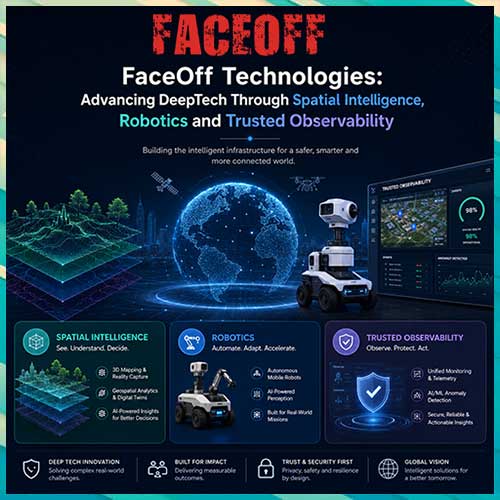
FaceOff Technologies is adding the missing trust layer, while Cisco Duo verifies user identity and device trust at the access layer, FaceOff Technologies strengthens security by validating whether the person behind the authentication is genuinely human and not a deepfake, synthetic identity, cloned voice, or AI-generated impersonation. Through its Adaptive Cognito Engine (ACE), FaceOff continuously analyzes behavioral biometrics, liveness signals, facial authenticity, voice integrity, and trust scores in real time. Together, Duo and FaceOff create a powerful Zero Trust and Digital Trust framework that helps organizations defend against next-generation phishing, impersonation fraud, account takeover attacks, and AI-driven social engineering threats.

See What’s Next in Tech With the Fast Forward Newsletter







Tweets From @varindiamag
Nothing to see here - yet
When they Tweet, their Tweets will show up here.