

Software

Securonix has partnered with GRAMAX Cybertech to deliver managed AI-powered security operations for enterprises and critical infrastructure operators across India, reflecting rising demand for outsourced cyber defense capabilities amid escalating threats and regulatory pressure.
The partnership combines Securonix’s AI-driven security information and event management platform with GRAMAX’s managed cyber defense operations through its Integrated Cyber Defense Center.
The companies said the collaboration is already supporting cybersecurity operations for several critical infrastructure assets, including Delhi International Airport, Rajiv Gandhi International Airport in Hyderabad, and multiple infrastructure assets linked to the GMR Group across aviation, power, and urban infrastructure sectors.
The partnership underscores how cybersecurity vendors are increasingly repositioning around AI-driven managed security services as enterprises struggle to handle growing attack complexity, compliance requirements, and shortages of skilled cyber talent internally.
India’s expanding digital infrastructure and critical services ecosystem have become increasingly attractive targets for cyberattacks, particularly in sectors such as transportation, energy, finance, and public infrastructure where operational disruptions can have broad economic and national security implications.
Under the partnership, Securonix provides the centralized AI-powered platform for threat detection, investigation, and automated response, while GRAMAX delivers operational monitoring, cyber defense expertise, and managed services execution.
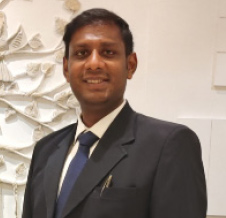
Dipesh Kaura said recent cyberattacks targeting Indian institutions have highlighted the need for stronger and more measurable security operations models capable of improving detection speed and reducing operational noise.
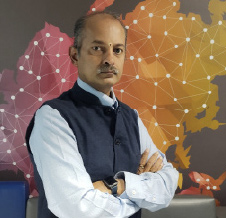
Bithal Bhardwaj said the partnership is designed to help enterprises strengthen resilience, protect critical assets, and support compliance requirements as threat environments become more complex.
The companies said customers using the combined platform have reported more than 60% reduction in security alert noise, investigation speeds three times faster than before, and a 40% improvement in security operations center response metrics.
Those claims reflect a broader industry trend where cybersecurity providers are increasingly emphasizing operational efficiency and AI-assisted automation as enterprises struggle to manage rapidly growing volumes of security telemetry and attack activity.
The deal also highlights the growing convergence between AI and cybersecurity operations, where machine learning models are being used not only for threat detection but also for incident triage, automated investigation workflows, and response orchestration.
GRAMAX said it has also expanded beyond India into markets including the UK and Singapore, serving customers in aviation, maritime, fintech, and other sectors.
The broader significance of the partnership lies in how critical infrastructure cybersecurity is evolving from standalone technology deployments toward continuous, intelligence-led managed operations designed to provide ongoing resilience against increasingly sophisticated attacks.
The partnership combines Securonix’s AI-driven security information and event management platform with GRAMAX’s managed cyber defense operations through its Integrated Cyber Defense Center.
The companies said the collaboration is already supporting cybersecurity operations for several critical infrastructure assets, including Delhi International Airport, Rajiv Gandhi International Airport in Hyderabad, and multiple infrastructure assets linked to the GMR Group across aviation, power, and urban infrastructure sectors.
The partnership underscores how cybersecurity vendors are increasingly repositioning around AI-driven managed security services as enterprises struggle to handle growing attack complexity, compliance requirements, and shortages of skilled cyber talent internally.
India’s expanding digital infrastructure and critical services ecosystem have become increasingly attractive targets for cyberattacks, particularly in sectors such as transportation, energy, finance, and public infrastructure where operational disruptions can have broad economic and national security implications.
Under the partnership, Securonix provides the centralized AI-powered platform for threat detection, investigation, and automated response, while GRAMAX delivers operational monitoring, cyber defense expertise, and managed services execution.
Dipesh Kaura said recent cyberattacks targeting Indian institutions have highlighted the need for stronger and more measurable security operations models capable of improving detection speed and reducing operational noise.
Bithal Bhardwaj said the partnership is designed to help enterprises strengthen resilience, protect critical assets, and support compliance requirements as threat environments become more complex.
The companies said customers using the combined platform have reported more than 60% reduction in security alert noise, investigation speeds three times faster than before, and a 40% improvement in security operations center response metrics.
Those claims reflect a broader industry trend where cybersecurity providers are increasingly emphasizing operational efficiency and AI-assisted automation as enterprises struggle to manage rapidly growing volumes of security telemetry and attack activity.
The deal also highlights the growing convergence between AI and cybersecurity operations, where machine learning models are being used not only for threat detection but also for incident triage, automated investigation workflows, and response orchestration.
GRAMAX said it has also expanded beyond India into markets including the UK and Singapore, serving customers in aviation, maritime, fintech, and other sectors.
The broader significance of the partnership lies in how critical infrastructure cybersecurity is evolving from standalone technology deployments toward continuous, intelligence-led managed operations designed to provide ongoing resilience against increasingly sophisticated attacks.

See What’s Next in Tech With the Fast Forward Newsletter







Tweets From @varindiamag
Nothing to see here - yet
When they Tweet, their Tweets will show up here.